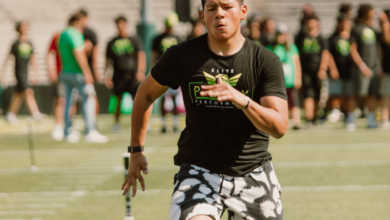
Understanding Sobreentrenamiento
Definition and Core Concept
Sobreentrenamiento refers to a condition where the body is pushed beyond its ability to recover due to excessive physical training. Instead of improving performance, the body begins to break down, leading to reduced strength, stamina, and overall health. This condition does not occur overnight; it develops gradually when training stress consistently outweighs recovery.
Why Sobreentrenamiento Is Often Ignored
Many people believe that more exercise always leads to better results. This mindset causes individuals to ignore early warning signs such as constant fatigue or declining performance. Unfortunately, ignoring these signals can result in long-term physical and mental damage.
The Science Behind Sobreentrenamiento
How the Nervous System Is Affected
The nervous system controls muscle movement, coordination, and energy levels. When overworked, it becomes overstimulated, leading to slower reaction times and poor exercise performance. This is a major contributor to chronic exhaustion.
Hormonal Imbalances and Fatigue
Excessive training disrupts hormone production, especially cortisol and testosterone. Elevated stress hormones and reduced recovery hormones create an environment where the body cannot repair itself efficiently.
See also: Sydney Excavation Explained: Techniques, Costs, and Benefits
Common Causes of Sobreentrenamiento
Excessive Training Volume
Training too frequently or for long durations without proper planning places extreme stress on muscles and joints.
Lack of Recovery and Sleep
Sleep is essential for muscle repair and brain recovery. Inadequate sleep dramatically increases the risk of sobreentrenamiento.
Poor Nutrition and Hydration
Without sufficient calories, protein, and fluids, the body lacks the resources needed to rebuild damaged tissues.
Key Symptoms of Sobreentrenamiento
Physical Warning Signs
- Persistent muscle soreness
- Decreased strength and endurance
- Frequent injuries
- Elevated resting heart rate
Mental and Emotional Symptoms
- Mood swings
- Lack of motivation
- Difficulty concentrating
- Increased anxiety or irritability
Sobreentrenamiento vs Normal Fatigue
Short-Term Tiredness
Normal fatigue improves after rest or light recovery workouts. It is a healthy response to exercise.
Chronic Performance Decline
Sobreentrenamiento causes continuous exhaustion and performance loss that does not improve with rest alone.
Long-Term Health Risks of Sobreentrenamiento
If untreated, sobreentrenamiento can lead to weakened immunity, hormonal disorders, depression, and long-lasting injuries. These effects may take months—or even years—to fully recover from.
How to Prevent Sobreentrenamiento
Smart Training Strategies
- Follow structured workout plans
- Gradually increase intensity
- Track performance and energy levels
Importance of Rest Days
Rest days allow muscles and the nervous system to recover. They are just as important as training days.
Recovery Methods for Sobreentrenamiento
Active Recovery Techniques
Light walking, stretching, and mobility exercises help improve blood flow without stressing the body.
Medical and Professional Support
In severe cases, consulting a sports physician or physical therapist is recommended. Trusted health guidance can be found at https://www.mayoclinic.org.
Nutrition’s Role in Avoiding Sobreentrenamiento
A balanced diet rich in protein, carbohydrates, healthy fats, vitamins, and minerals supports muscle repair and energy restoration. Proper hydration is equally important for recovery and performance.
Sobreentrenamiento in Athletes and Beginners
Both experienced athletes and beginners are at risk. Athletes may push limits for competition, while beginners may underestimate recovery needs. Awareness and education are key for both groups.
Frequently Asked Questions
What is sobreentrenamiento in simple terms?
It is a condition where too much exercise and too little recovery cause the body to weaken instead of improve.
Can beginners suffer from sobreentrenamiento?
Yes, beginners often experience it due to poor training structure and lack of recovery knowledge.
How long does recovery from sobreentrenamiento take?
Recovery can take weeks or months depending on severity and lifestyle adjustments.
Is complete rest required to recover?
Not always. Light activity and proper nutrition can support recovery, but intense training should stop.
Does sobreentrenamiento affect mental health?
Yes, it can cause mood changes, stress, and loss of motivation.
Can nutrition alone prevent sobreentrenamiento?
Nutrition helps, but balanced training and adequate rest are equally important.
Conclusion
Sobreentrenamiento is a serious condition that can silently destroy fitness progress and overall health. Understanding its causes, symptoms, and prevention strategies is essential for anyone engaged in physical activity. By balancing training, recovery, nutrition, and rest, you can achieve sustainable performance and long-term well-being without risking burnout or injury.